

Recovering, Not Recovered

I finally understand why people choose to say “recovering” instead of “recovered” when they talk about opioid use disorder or substance dependency. In the spirit of transparency, I admit that language used to irritate me, deeply.
The phrase “We are never fully recovered” felt so cringey and spiritually agitating, like a refusal to give oneself credit, ever. I’d roll my eyes as far back into my head as I could each time it was said to me.
I believed I was recovered—fully. I was certain I had outgrown addiction and put it in my rearview forever. I didn't think it was something that would require daily intention like the first couple of years.
This belief was concretely planted in my mind and held for more than 7 years.
The impact of grief on my journey
Then I lost my beloved grandmother, Shirley, in September of last year. Our family handled her care during 9 long weeks of at-home hospice. Less than 3 months after her passing, I lost my sweet grandfather, John, too.
And in all the layered grief that followed those losses, something I had been so confident about began to noticeably shift. The shift was aggressive on me mentally, as I had been sharing a belief with my online following that no longer felt safe.

The mindsets I began having weren’t what people with nearly 8 years have. I began to understand why claiming to be “recovered,” as if recovery makes us some finished product, can be an extremely dangerous mindset.
How life tests long-term recovery
The reality is that life does not stop testing us once we achieve long-term recovery. Life still has its losses, triggers, traumatic events, and levels of exhaustion. Major life events don’t wait for us to be prepared.
The perfect example is the deterioration and eventual passing of my beloved grandparents. It created a perfect storm of overwhelm. My soul felt remarkably exhausted, like it was “tapping out”.
When difficult experiences stack up, the grief multiplies and mental health absolutely collapses. The reserves we’re somehow operating on wind up running on just fumes. Recognizing this, my vulnerabilities started being exposed. In that moment, I understood why those people always suggested that I claim, “recovering,” not “recovered”.
Protecting your progress during hard times
I am extremely self-aware and grateful for that. This self-awareness played the biggest role in recognizing my thought patterns going dark. I now understand how quickly the brutality of life can weaken our judgments and completely distort our self-worth. It can make those old escape routes feel familiar and seem convenient all over again.
Even if we have no conscious desire to use, I want caution us all; when life is fracturing you, it’s imperative to employ other safeguards like family, faith, friends, or fellowship.
This is an uncomfortable truth for me. It's one I am still digesting. Recognizing my error was an important part of my journey, and I feel an obligation to correct myself and share this with my readers.
Relapse doesn't always happen because of cravings. Sometimes, it can be driven by a devastating depletion of energy, heartbreak, or fear. That can create the perfect storm.
Experiencing my own rapid erosion of emotional regulation over the span of many months, I now caution us all on what can happen when too much is hitting you all at once.
Embracing the journey of forever recovering
I am officially sharing that I was wrong, and it was shamefully irresponsible of me to have shared that narrative over the years. I believe when we learn new information, we should adjust our beliefs.
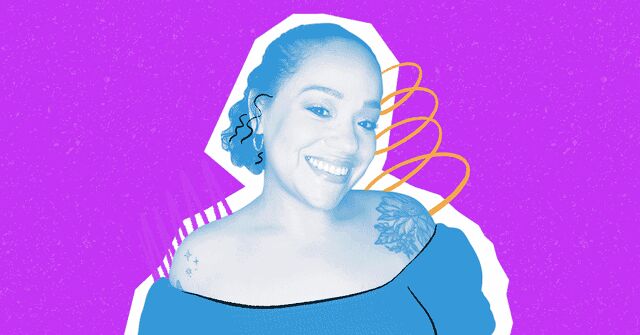
My name is Courtney, and I am not recovered—I am forever recovering. Coming to understand this distinction is part of my evolution. Maybe true recovery hasn’t ever been about believing or being told that we’re cured.
Maybe it’s more about fine tuning into who we really are. We can build on who we used to be and make choices to keep ourselves recovering and supported even when life is being anything but gentle.
Join the conversation