
The Importance of Advocating for Yourself

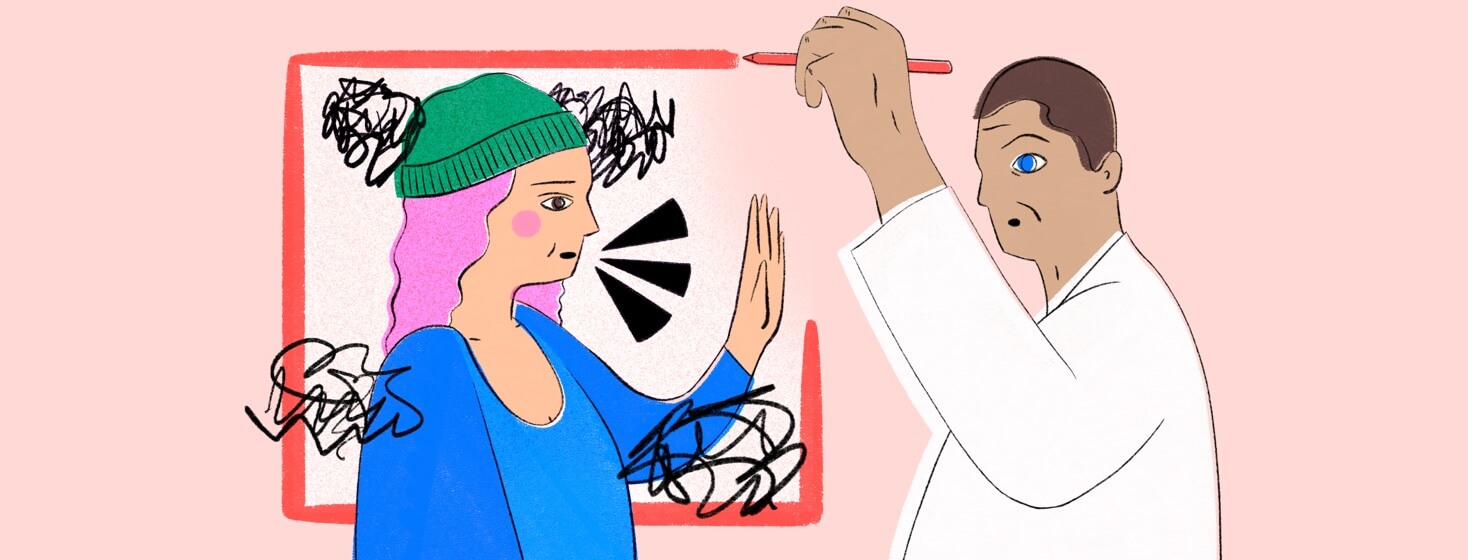
Just because somebody has a white coat and a medical degree does not make them the authority of what it best for you. Too often, we give full trust to healthcare providers without doing our due diligence on prescriptions, their side effects and risks, or how combinations of our prescriptions may interact.
In my experience, a physician thought it was best for me to take opiates. I did not anticipate any risks. I simply followed "doctor’s orders". This blind trust laid the groundwork for my eventual struggle with opioid use disorder.
The era of doctor's orders
I received opiate prescriptions for many common procedures. This included getting my tonsils out and wisdom teeth removal. I also received them for tooth pain and kidney stones. Back then, no one spoke about the risks these medications posed or suggested safer alternatives.
At that time, opiates were first-line treatment for pain. The opioid epidemic was not what it is today. I saw no reason to question a doctor or a medication. Now, I fully understand the importance of advocating for yourself.

My first experience with opioids
The first time that I was prescribed opiates was in 2004. I was 18 years old and had my tonsils removed. Not only did they have me on morphine after coming off the anesthesia, but I also left with a prescription for liquid Vicodin.
Even now, I still remember the warmth of that first dose so vividly. It felt like a hug. However, that hug somehow made me so itchy I got bruises down my thighs.
My pain was actually manageable without it. Yet, I remember feeling like I needed to finish the bottle because it was prescribed. I feared that real pain would set in if I didn’t take it every 4-6 hours. I was a teenager without a clue. That first prescription didn’t create my eventual opioid addiction, but a string of these prescriptions absolutely did.
A pattern of prescriptions
The next time I was prescribed opiates was when I got my wisdom teeth removed in 2011. The aftermath was extremely painful. Despite that, I did not need a high dose of Vicodin — I had never been prescribed Vicodin in pill form.
In retrospect, I find it disturbing that professionals started me off at such a high dose, especially given my young age at that time. The opioid climate was not yet an epidemic, which is very clear when looking back.
Later that year, I went to the emergency room with a cavity that was causing me excruciating pain. I left with a prescription for thirty 10 milligram Percocets. Today, regulations prevent such reckless prescribing. Pain must first be treated through different protocols.
Other ways to manage pain
I was also hospitalized several times for kidney stones. Each time, I was prescribed Percocet. As painful as kidney stones truly are, there were different methods to help relieve the symptoms.
I later learned about other options like extracorporeal shock wave lithotripsy (ESWL), which is when sound waves are used to blast the stones into smaller pieces for easier passage. There's also heat therapy, alpha blockers, and non-opioid pain medications.
There was not one point during those initial years of being legally prescribed opiates that I suspected it could play a role in my eventual suffering with IV opioid use disorder.
The power of self-advocacy
Advocating for yourself is extremely important in healthcare. Researching your medications, especially opiates, could protect the trajectory of your life.
Yes, regulations have changed. We now exist in what is called the “opioid epidemic”. But the system improvements happened after the damage had been done to me and millions of others.
I wish somebody would have explained the power of self-advocacy to me sooner. I want others to know they can ask questions and be informed before consuming prescription medication. That is why I am writing this article.
If I understood the risks of taking prescription opioids, maybe I wouldn’t have had to learn the hard way about self-advocacy from the basements of rock bottom that my opioid use disorder landed me in.
This or That
Was your first experience with opioids through a legal prescription?
Join the conversation