
When the Numbing Stops: What I Learned From Facing My Fear of Opioid Withdrawal
For a long time, I put off getting sober because I was afraid of opioid withdrawal and the symptoms that come with it.
It wasn't the idea of being sober or even the idea of changing my life that terrified me. It was just that first week: the shaking, the sweating, the pain. I’d seen other people go through it and thought, "I can’t survive that."
The fear before the first step
Addiction convinces you that the substance is what’s keeping you alive, when in reality, it’s slowly killing you. The truth is, I didn’t know who I was without it.
The drugs had become my comfort, my coping mechanism, and my way to numb the grief that had piled up after losing my sister, husband, and dad. I wasn’t using to get high, I was using to not feel.
But when I finally reached the point where I couldn’t take another day of that cycle, I checked myself into treatment. There, I learned that while opioid withdrawal symptoms are painful, they were not the monster I was afraid of. It was the bridge between who I was and who I was meant to become.
This or That
Have you delayed starting treatment due to the fear of withdrawal?
What opioid withdrawal symptoms were really like
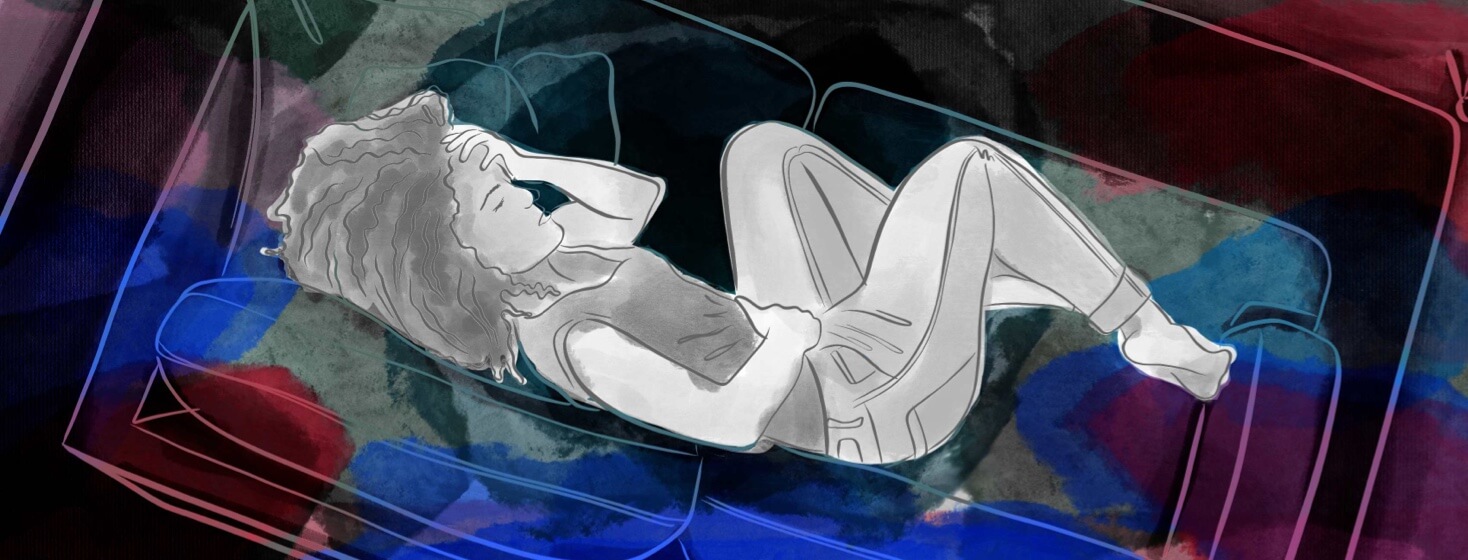
I won’t sugarcoat it — it hurt. My body shook. My stomach turned. I couldn’t sleep. My skin felt like it was on fire one minute and freezing the next. I cried a lot — sometimes from the physical pain, sometimes from the emotional flood that hit once the drugs were gone.
It was like all the grief, guilt, and exhaustion I had pushed down for years came pouring out at once. I remember thinking, "This is what it feels like to wake up in your own life again, and it’s brutal."
But even in those moments, something small but sacred was happening: I was healing. My body was fighting its way back to balance, and my brain was starting to clear. My heart, for the first time in years, was learning how to feel again.
How I made it through
There wasn’t one magic fix. It was a combination of faith, support, and surrender.
- Faith, because I had to believe there was something on the other side of the pain, even when I couldn’t see it.
- Support, because I couldn’t do it alone. I leaned on family, counselors, recovery peers, and friends who reminded me daily that I was stronger than the cravings.
- Surrender, because control had gotten me nowhere. I had to stop fighting the process and let my body and mind detox from years of chaos.
I drank water even when I didn’t want to. I forced myself to eat small bites. I journaled what I was feeling, even if it came out messy. I prayed. A lot. Sometimes it was just, "God, help me get through this hour."
And little by little, He did.
What I want you to know about opioid detox and withdrawal
If you’re reading this and putting off treatment or medical detox because you're afraid off withdrawal, I get it. That fear is real, but so is your strength.
The pain of withdrawal (and some of the physical symptoms) are temporary, but the pain of staying stuck is not. Every symptom you feel is your body remembering how to live again. Every craving that passes is proof that you’re reclaiming control. And every tear you cry is making room for something new to grow in its place.
You don’t have to do it perfectly, you just have to start. Reach out for help. Tell someone you’re ready. Walk through that fear. Because I promise you, nothing you’ll feel in those few hard days compares to the freedom that’s waiting for you on the other side.
A final word of hope
I’ve lived through withdrawal, relapse, heartbreak, and rebuilding. If I can do it, so can you.
You are not weak for being scared; you’re human. But fear doesn’t get to decide your future. Healing does.
Let your story begin here. Let it hurt, let it heal. One day, you’ll wake up clear-headed, grounded, and free...and you’ll realize it wasn’t the drugs that made you strong.
It was you.
Join the conversation