
Same Struggles, Different Intentions: Choose Your Circle Carefully

Weak moments are a part of recovery. It doesn’t matter if you’re days, months, or years into your journey. There will always be moments when you feel powerless, almost like you’re slipping backward.
That doesn’t necessarily mean that you are, it just means that you’re human. Recovery requires daily intention. We never quite know when weak moments will present themselves. The only certainty is that they will. What you decide to do in those moments and WHO you choose to let in is what matters.
When the mind becomes an unsafe place
When you’re struggling mentally or hormonally, or while you’re grieving and silently fighting your way through the day, your mind can turn on you and become a not-so-safe place to be alone. That’s the truth in my experience, anyway. Sitting in those feelings trying to handle them alone to not be a burden on loved ones, is when things begin to spiral.
This is where your people come in – your "few true."
Choosing your circle carefully
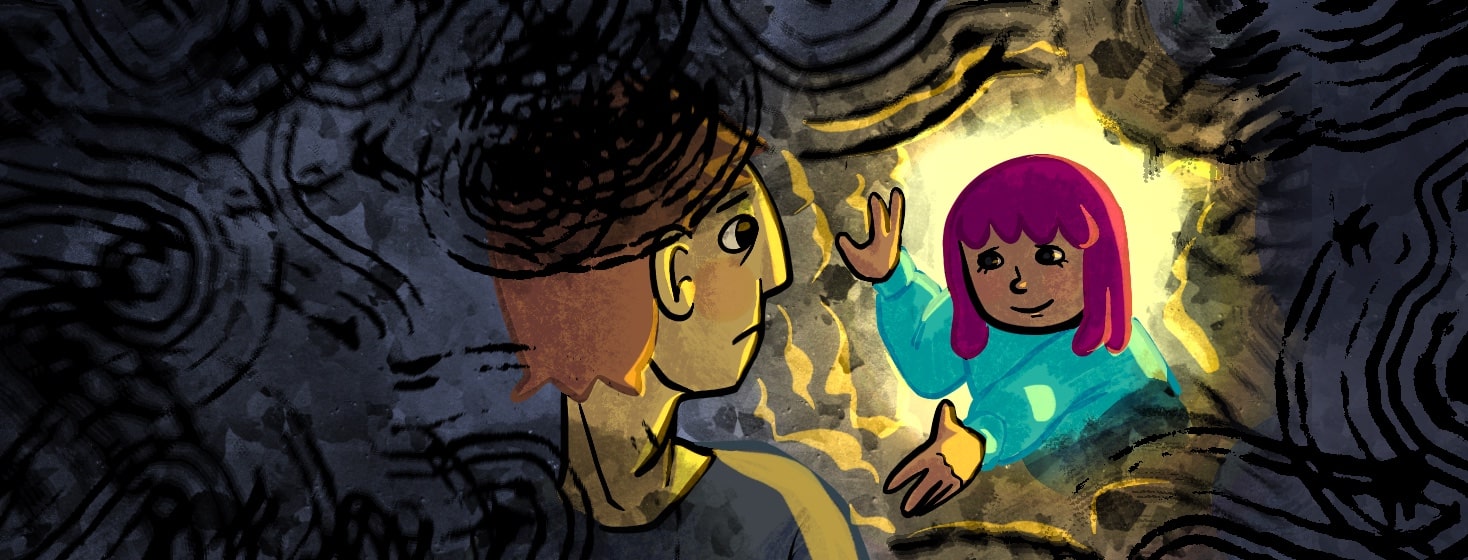
Your “few true” are the ones in your support system who don’t make it worse, the ones who don’t require a performance from you. They are the ones who can sit in the mess alongside you without adding to it. If you don’t have that in family or friends, then you must build it elsewhere: meetings, community, or wherever you can find people who understand what it means to fight your way through something dark. Because doing this alone is not strength, it’s a massive risk. And here’s the part that took me far too long to accept, which is that not everyone who says they love you is safe for you.
Shared experiences vs. safe connections
Even people who know this struggle with opioid use disorder and substance abuse firsthand can still behave this way. Just because somebody is in recovery doesn’t mean that they’re operating from awareness or accountability, or that their healing mirrors our own. Some are still very much stuck in patterns, comparison, resentment, and self-centered survival modes- and they WILL project that onto you. It hits differently when it’s someone who “gets it,” but shared experience doesn’t automatically make somebody safe. Pay attention to their behaviors, not their titles or timelines. People will reveal to you exactly who they really are.
Some people will watch you struggle; witness you spiraling and still choose to add to it. They’ll instigate conflicts when you’re already drowning. They’ll strategically bring chaos when you’re barely holding it together. They’ll take, and take, and take, knowing that you don’t have much left to give. And that is not love.
The truth about one-sided relationships
I don’t care how much history you share with someone. I don’t care how much you have done for them, how often you have shown up for them, or how much you’ve supported them emotionally or financially. Just because you love people deeply doesn’t mean that they value you the same way. Some people love what you can do for them – but the hard truth in some of these situations is that they don’t love you at all.
When you choose to stop overextending yourself, when you stop pouring into them, and when you start to put yourself first by setting boundaries – you’ll start to see it. They’ll shift, they’ll turn on you, and they’ll go find somebody else to drain. That is their pattern and not your responsibility. You are not a martyr, you are not a doormat, and you certainly don’t have to prove your worth by emptying yourself out for people who just wouldn’t do the same for you.
Taking a real inventory of your support circle
So, let’s take a real inventory of this. These recovery journeys are sensitive and deserve to be fully analyzed.
- Who shows up for you when you’re not okay?
- Who respects you when you say, “I can’t”?
- Who brings terrible ideas into the fold, instead of safe ones?
- Who makes you feel calm and heard instead of drained and stressed?
Be honest with yourself about who doesn’t. Recovery isn’t just about staying clean, it’s about protecting your peace and it’s about learning who gets access to you and who no longer does.
Reach for the people how make you feel safe
Weak moments will come; they just will. But don’t let weak people have access to you in those moments. Reach out for the ones who help you feel grounded - the ones who embody being a “safe place” - and stop reaching for the ones who make you feel used or like you’re suffocating. Just because someone walks a recovery path like we do, doesn’t mean that they’re as far along on this journey as we may be. Being mindful and careful about blending recovery paths with others is a critical analysis to make – especially when you’re having those moments when you’re feeling powerless.
Join the conversation