

Navigating the Shame of a Return to Use

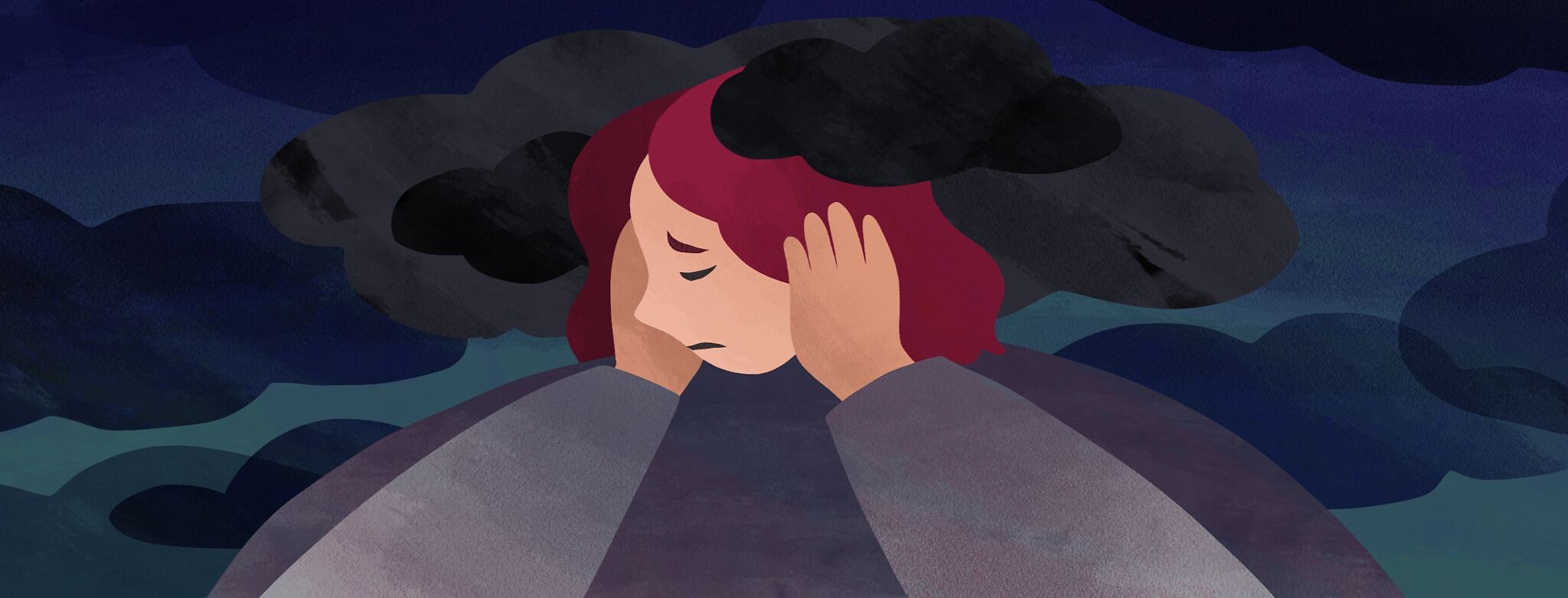
Living with opioid use disorder and having a return to use can feel devastating in so many ways. You may fear losing a job or relationships. You might constantly wonder "what if". On top of that, you are simply trying to survive use.
When my return to use happened, all I could think about was what people would think of me when they found out. I thought it was inevitable. Meanwhile, I spent all of my energy beating myself up.
Understanding the recovery journey
The fact is that most people who struggle with opioid use disorder don’t get it right the first time. Most of us have experienced lapses even with some years of recovery under our belt.
When I first attended self-help groups over a decade ago, I remember they called people who never used again a "one chip wonders". Those spaces shaped how I treated myself and others who experienced a return to use, for better or worse.
Breaking the cycle of isolation
Navigating a return to use when managing opioid use disorder is complicated for everyone. I felt I had let my loved ones down for so long. I couldn’t bare to do it again. By then, disappointment was all I felt I had to offer.

This feeling kept me isolated. I compelled me to try tackling everything on my own. I also didn’t want to let down my peers.
Shifting my identity
With how much emphasis is put on “time spent sober” in self-help groups, that number becomes your whole identity. Breaking it can feel life-shattering. Meanwhile, we are told that only today matters.
To me, these ideas conflict and hurt a lot of people. We often put those with “time” on a pedestal, including ourselves. While celebrating milestones is good, it can cause unintentional damage.
I had to learn to give myself grace. We all all fall short sometimes, whether in recovery or in life. I constantly remind myself that I’m doing my best. Life is hard and sometimes I make poor decisions. However, those decisions don’t define me. What I do after is what truly matters.
The power of vulnerability
Finding supportive friends was crucial for me. I needed people to stand by me through the good and the bad. Having someone I could share my thoughts to and practice communicating with made talking to my family a lot easier. This process can look different for everyone. It all depends on the dynamic of the relationship.
There were times when I sat down with my family and told them in person. Other times, I made a brief phone call to explain my situation. I didn't make excuses. I cut straight to the point and stayed accountable for my decisions.
If their words or behavior became harmful at any point, I ended the conversation and moved along. I didn't want them to cause more harm. These situations can be fueled by emotions rather than logic.
Letting go of expectations
I tried my best to avoid having expectations on how the conversation would go. I was not responsible for how they responded. My goal was to be transparent about my situation and ask for help or guidance.
Maybe they could help me, and maybe they couldn't. I always hoped we could figure out something together.
Over the years I have come to learn that people respect vulnerability and honesty. They tend to give more grace when you’re open and honest with them regardless of how bad the situation is. They will respect you because you were forward with them.
Of course, this is easier said than done. It’s all about understanding the relationship dynamic because it can be hard for both parties.
You're not alone
None of us want to let our families down. But isolating in fear and not being forthright with them might let them down anyway. If something tragic happened to us, that would be the ultimate heartbreak.
It may be difficult or painful to disclose a return to use if you're in opioid use disorder recovery. It might hurt your pride and ego, but your loved ones will be glad we were honest with them.
Join the conversation