
How to Recognize an Overdose and What to Do Next
This work is deeply personal to me. I do it in memory of my friend Teah, who might still be here today if someone had known what to do and wasn’t afraid of getting in trouble. Fear and uncertainty cost valuable time in overdose situations, and time is everything. If you take nothing else from this, remember that you do not have to perform perfectly to save a life. You just have to act, and do so immediately.
Recognizing the Signs of an Opioid Overdose
Most fatal overdoses today involve opioids like fentanyl, and they are often much quieter than people expect. There is usually no dramatic scene. Instead, you may notice slow, irregular, or absent breathing, lips or fingertips turning blue or gray, a person who will not wake up, or gurgling and choking sounds that can be mistaken for snoring. Another important sign is very small, “pinpoint” pupils. You can use the flashlight on your phone to check the eyes. Normal pupils get small with the bright light, then quickly return to normal (larger) when it is removed. Opioid overdoses can result in the pupils looking tiny and staying tiny after the light is removed. These are critical warning signs. If you see them, assume it is an overdose and respond immediately.
What to Do: Step-by-Step Response
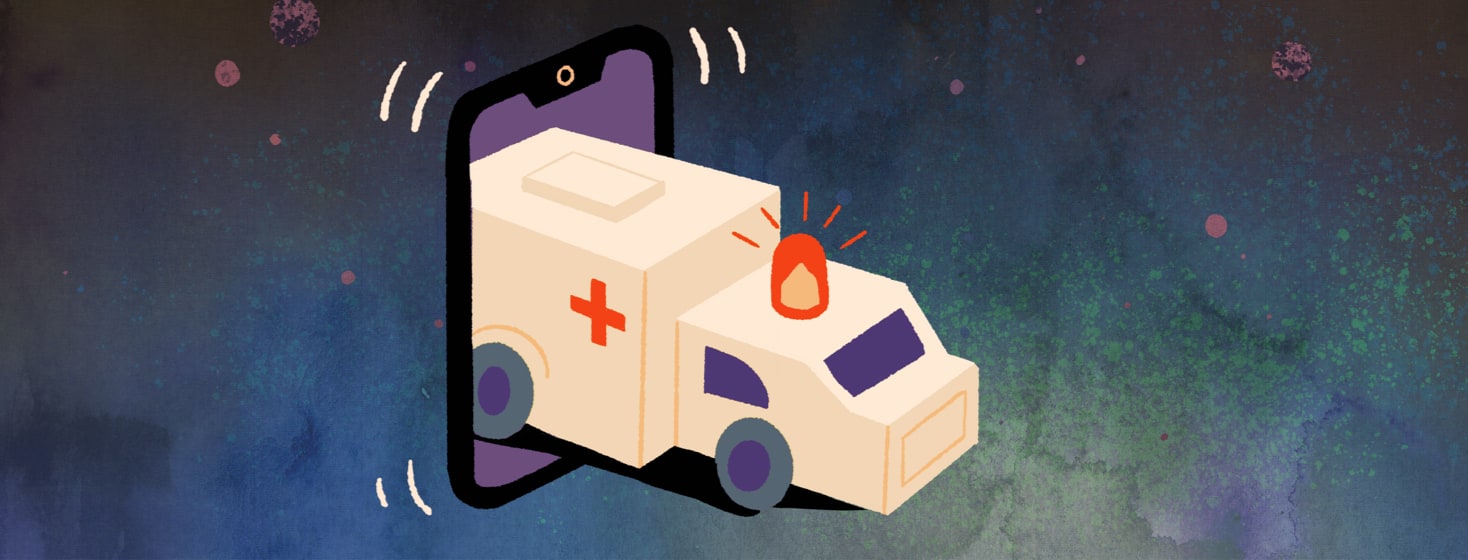
The first step is to try to wake the person by calling their name, shaking them, or performing a firm sternal rub with your knuckles pressed into the center of the chest. If they do not respond, call 911 right away. This is the most important step. Tell the operator if someone is not breathing and/or is unconscious, and stay on the line. If naloxone, also known as Narcan, is available, give it immediately. This medication can reverse an opioid overdose. If there is no response after two to three minutes, a second dose may be given.
While waiting for first responders, you may begin rescue breathing. Tilt the head back, lift the chin, and give one breath every five to six seconds. In that moment, you are breathing for them until their body can take over again. Stay with the person at all times, even if they begin to wake up, because the effects of naloxone can wear off and the overdose can return.
What NOT to Do
It is just as important to understand what not to do. Placing someone in a cold shower or ice bath, slapping or hitting them, or leaving them to “sleep it off” are common mistakes that waste critical time and do not reverse an overdose.
Good Samaritan Laws: You Are Protected
One of the biggest barriers to acting is fear of getting in trouble. This fear is understandable, but it should not stop you. Every state in the United States has some form of Good Samaritan protection for overdose situations. These laws are designed to protect both the person calling for help and the person experiencing the overdose (or other medical emergency) from certain legal consequences. Calling 911 is almost always the safest legal decision you can make, and it is always the safest medical decision. If you want to learn more about your state’s protections, you can visit: Good Samaritan Law Database
You Can Save a Life
The reality is that many overdoses are survivable if someone intervenes early. The problem is not always a lack of tools, but hesitation, fear, or not knowing what to do. You do not need medical training to make a difference. Recognizing the signs, calling for help, administering naloxone, and supporting breathing are simple actions that save lives every day.
Teah should still be here. So should so many others. If you are ever in this situation, act. Not perfectly, just quickly. Because you may be the reason someone gets another chance. Thank you!
Disclaimer: This does not represent medical advice, always call 911 in an emergency and follow their personalized instructions in real time.
Join the conversation