
Setting Boundaries in Recovery - Even if it’s from Family

There is a part of the recovery process that doesn’t get talked about nearly enough - the part where your healing disrupts family members who have either never had to fight the battles that you did or are still actively fighting them in silence. It’s easy to just assume that family will celebrate your growth or be grateful that you climbed out of the basements of rock bottom. We expect that they’ll feel relief when we begin to rebuild, repair, stabilize, and reclaim our lives. But unfortunately, sometimes your recovery becomes a mirror and not everybody can tolerate their own reflection.
When Recovery Becomes a Mirror
When you make changes, you’re breaking unspoken contracts of a sort. The roles shift, the expectations start to collapse. The version of you that people were so comfortable with, the one that struggled, that suffered, the one that was easier to judge, the one who made them feel more secure in their own struggles, that reality now no longer exists. That disruption alone can and does trigger deep resentment and hostility from some of them.
It may not always be intentional, but I assure you, it’s very real.
Why Some People Can't Support Your Recovery
What I’ve learned, and what I so wish that more people were more honest about, is this: not everyone who shares your DNA or your history is mentally equipped to walk alongside your recovery. Some people are still negotiating with their own demons, their own reckless patterns, their own obvious avoidance of their substance dependency struggles. And whether they realize it or not, those people may try to pull you backwards and into a former version of yourself that you’ve fought so long and hard to leave in your rearview.
Misery, especially when left unaddressed, looks for company wherever it can find it. Not because people are inherently malicious, but because familiarity feels much safer than actually changing. Growth can feel so threatening to someone who is still trying to survive the version of life that you’ve already fought your way out of.
Why Setting Boundaries in Recovery Is Non-Negotiable
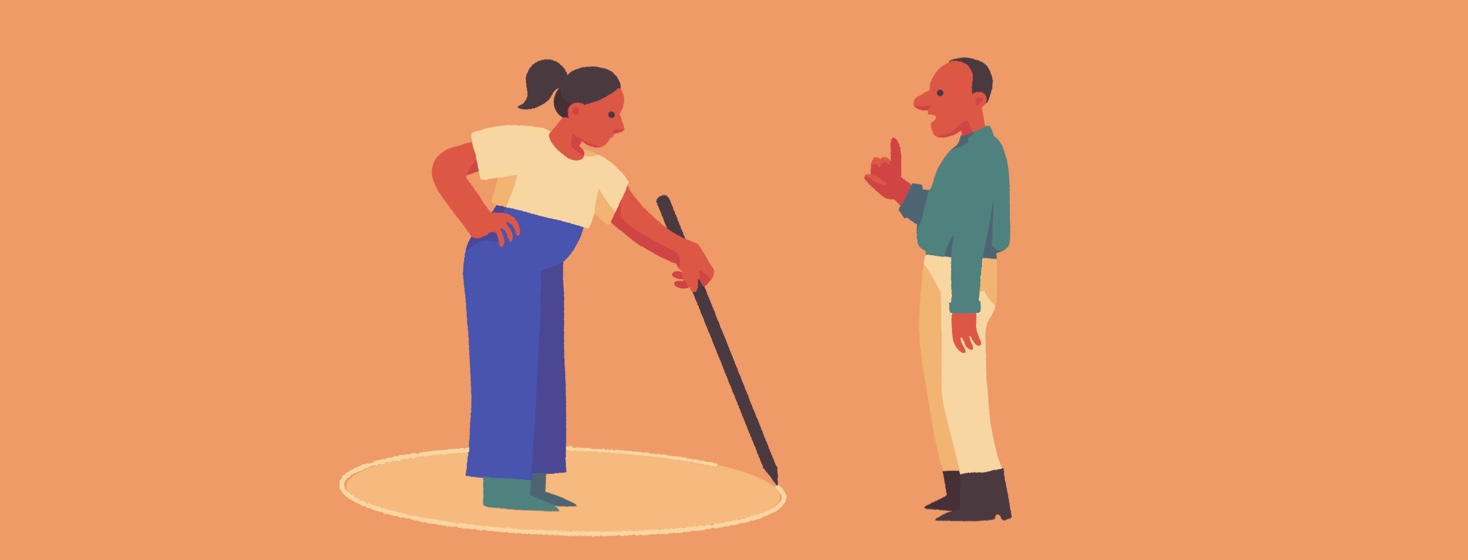
This is exactly where setting real boundaries becomes non-negotiable.
Creating distance from certain relationships isn’t at all about a lack of love. It’s not at all about judgement or the assumed superiority complex. You just cannot build a stable, healthy life while staying entangled within the dynamics of others' chaotic lives. That can literally and actively undermine all of your progress. Loving somebody does not require proximity, which I find to be a critical truth that should be widely accepted in the climate of the drug epidemic in this world. To have genuine compassion for people does not mean they have to have access to you, either.
Protecting Your Peace Is Part of Recovery
There is a hard truth that comes with choosing recovery for yourself and that is that you’re allowed to protect your peace, even if it disappoints people that you care about. You are allowed to distance yourself from the chaos, even if you understand their struggles on an intimate level. You are allowed, and I encourage you to choose yourself, especially if you’ve already spent years abandoning yourself. People must reach their own rock bottom, their own “a-ha” moment. No amount of love, loyalty, support or proximity can do that work for them. That much I am wholeheartedly sure on.
You do not have to accompany any other human being on their downward spiral.
One of the most sobering realizations in this process for me has been understanding that people who don’t love themselves often struggle to love others in a sustainable, healthy way. Not because they don’t care, or are evil, but because they don’t have the internal resources to give to others what they’ve never even cultivated for themselves.
Recovery teaches us to build those resources, refine our coping skills and to create stability in the place of chaos.
To prioritize truth over avoidance and develop the type of self-respect that doesn’t EVER negotiate with risky dysfunctions. Within those lessons comes responsibility. Not a responsibility to fix everyone else, not the responsibility to carry people who perpetually refuse to walk, but a real responsibility to protect what you’ve built and who you’ve become.
Choose Yourself
Sometimes, the most powerful act of love and survival, for both you and others is distance. It’s not abandonment, it’s not even rejection in the literal sense, either. It’s just you making the sound and solid choice to no longer participate in what breaks you or who tries to break you while they’re broken.
Choose you, choose peace, choose growth.
You’re responsible for those things.
Join the conversation