



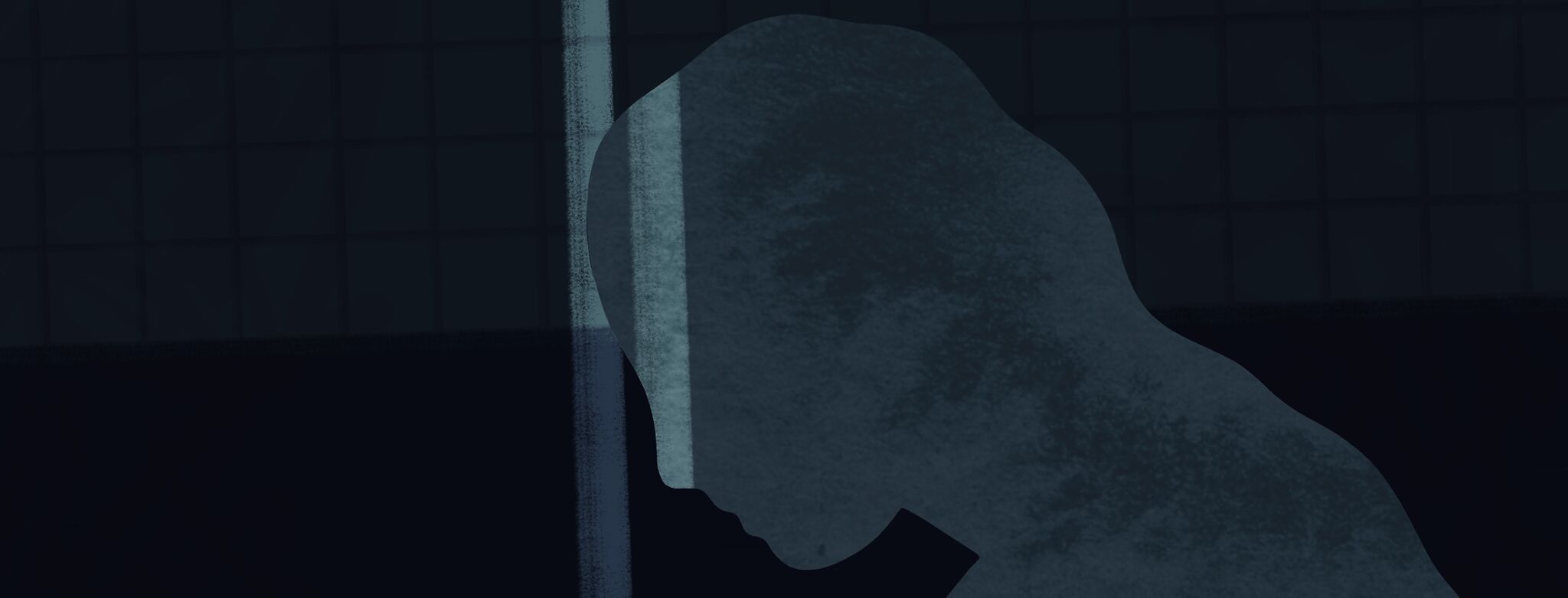
When the Chaos Clears: Coping with Boredom in Middle Recovery

Most conversations about recovery focus on the beginning: detox, cravings, white-knuckling through the first weeks without the substance that once controlled everything. The early stages of recovery are intense, dramatic, and often terrifying.
But there’s another stage of recovery that people rarely talk about: the quiet.
The stillness after survival
For many people recovering from opioid addiction, life during active addiction is chaotic. Every day revolves around the same cycle: finding pills, avoiding withdrawal, hiding the truth, managing money, managing relationships, and constantly calculating how to get through the next few hours.
It’s exhausting. But it’s also strangely busy.
Addiction fills every moment with urgency. Your brain becomes wired for crisis and stimulation. Even when life is falling apart, there’s always something happening.
Then recovery begins. And suddenly, the chaos disappears. The frantic phone calls stop. The constant searching ends. The daily survival mission is gone. What replaces it is something unfamiliar — stillness.

For many people in middle recovery, that stillness can feel deeply uncomfortable. Sometimes it feels like boredom.
When life slows down
This kind of boredom isn’t the simple kind people talk about casually. It’s the unsettling realization that the thing that once consumed every moment of your life is gone, and you’re left staring at a blank space where it used to be.
I remember that stage clearly in my own recovery. For years, addiction dominated my time and thoughts. Everything revolved around it. Even when it was destroying my life, it filled every corner of my day.
When sobriety came, the chaos vanished almost overnight. Suddenly, there were quiet mornings, normal routines, and long stretches of time where nothing dramatic was happening.
At first, that quiet felt uncomfortable. I didn’t realize how much my brain had adapted to chaos until it was gone.
Why boredom happens in recovery
There’s a biological reason this stage can feel so strange. Opioids flood the brain with dopamine, creating artificial highs and intense stimulation. Over time, the brain becomes dependent on those chemical surges. When the drugs disappear, everyday life can feel flat by comparison.
Calm can feel dull. Routine can feel slow. Silence can feel loud. But this stage of recovery is not a setback, it’s part of healing.
The brain is learning how to function again without constant artificial stimulation. What feels like boredom is often simply the nervous system recalibrating after years of chaos.
Filling the space with something better
For me, middle recovery became a turning point. Once the chaos cleared, I realized I had something addiction had stolen from me for years: time.
Time to rebuild my life. Time to rediscover things that actually brought me peace.
I started journaling again. I spent more time outdoors. Living in Florida now, I’ve found incredible healing in nature — paddling through the springs and snorkeling in water so clear it almost feels like another world.
I also began sharing my story openly.
Today I work in youth drug prevention and speak about addiction, grief, and recovery. The same energy that once fueled my addiction has slowly been redirected into purpose.
And that purpose fills the space addiction once occupied.
Featured Forum
View all responsesThe gift hidden in the quiet
Middle recovery is where many people begin rebuilding the identity addiction took from them. It’s where routines become stability, and stability becomes freedom.
At first, the quiet can feel uncomfortable, but over time, it becomes something beautiful.
Because the truth is, boredom in recovery is often a sign that the storms have passed. The chaos has cleared. And if you stay long enough to learn how to live in that quiet, you may discover something you never thought possible during addiction.
Peace.
Join the conversation