
Making Amends with the Person in the Mirror: Forgiving Your Past Self

Recovery is often described as a process of rebuilding relationships. Repairing trust. Making amends. Taking responsibility for the harm addiction caused. Those steps are essential.
But there are other kinds of amends that recovery quietly demands. One that isn’t listed in most step work or recovery checklists. The amends you have to make with yourself.
The weight of shame
Addiction leaves behind more than physical consequences. It leaves memories and things we said, things we did, and moments we wish we could erase. Many people in recovery carry an enormous amount of shame about their past.
I know I did.
When I think about my addiction, one of the things that hurts the most is what my parents went through while loving me during that time. There were nights when my mom and dad checked my pulse while I was passed out, unsure if their daughter would wake up the next morning. There were times when I overdosed and they had to call 911.
No parent should ever have to live with that kind of fear. That reality is part of my story, and I carry deep regret for it. Accountability matters. Recovery requires honesty about the damage addiction caused. But if someone stays trapped in shame forever, healing becomes impossible.
Understanding the roots of addiction
Addiction rarely appears in isolation. For many people, it grows from trauma, grief, or emotional pain that hasn’t yet been processed. In my own life, addiction didn’t come out of nowhere.
My sister died from an overdose. My husband was killed in the line of duty while serving in the Air Force. Later, my father battled ALS. Grief layered itself on top of grief until I didn’t know how to carry it anymore. Addiction became a way to numb pain that felt unbearable.
Recovery became the way back.
Grace and accountability can co-exist
Forgiving your past self doesn’t mean pretending the past didn’t happen. It doesn’t erase the damage addiction caused. What it does is acknowledge that the person you were during that time was struggling, hurting, and trying to survive.
Shame says, "You should have known better."
Grace says, "You were doing the best you could with the tools you had at the time."
Recovery teaches us new tools like healthier coping skills, stronger boundaries, deeper self-awareness. But many of those tools come after the mistakes have already been made.
A different reflection in the mirror
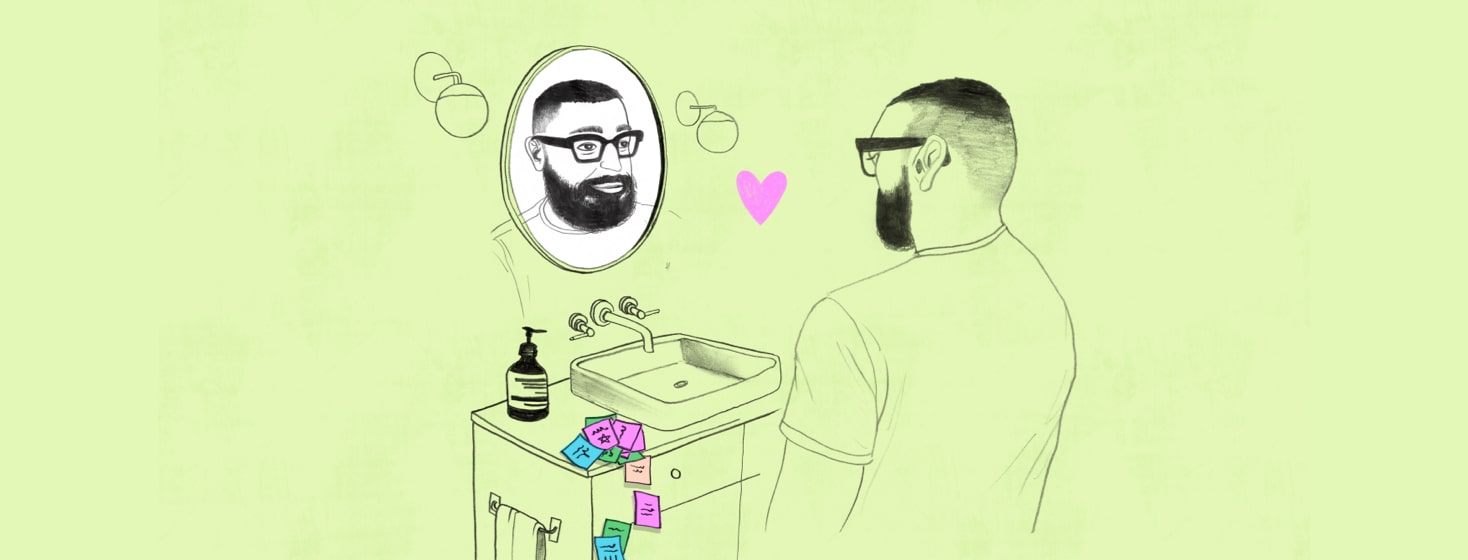
When I look in the mirror today, I see someone very different from the woman I was during active addiction.
I see a mother raising two boys. I see someone who now works in youth drug prevention, speaking honestly about addiction so younger generations might understand the risks. I see someone who survived.
For a long time, I hated the person I used to be. I saw her as reckless, broken, and weak. Now I see her differently.
She was hurting. She was drowning in grief. And despite everything, she kept breathing long enough to eventually find recovery. That realization changed everything.
The amends that happens quietly
Sometimes the most powerful moment in recovery isn’t public. It doesn’t happen in a meeting or during a formal amends conversation.
It happens quietly. Standing in front of a mirror. Looking at the person you’ve become and finally saying something you may never have believed possible: I’m sorry for what happened, and I forgive you for surviving the only way you knew how.
Because recovery isn’t just about leaving addiction behind. It’s about learning to love the person who fought their way back to life.
Because the truth is, if you’re reading this, you’re still here. You’re still breathing. Still trying. Still showing up for a life that once felt impossible to imagine.
Moving forward
Recovery doesn’t require perfection. It requires honesty, courage, and the willingness to keep going even when the past feels heavy. You may never be able to erase the things that happened during addiction. None of us can. But you can decide what those experiences mean moving forward.
They can be the end of your story. Or they can be the chapter that proves how strong you really are.
The person you were in addiction is not the person you are becoming in recovery. Growth doesn’t erase your past, but it transforms it. The same life that once felt lost can become the very thing that allows you to help someone else find their way.
So if you’re still carrying shame today, I hope you remember this:
You are not the worst thing you did while you were hurting.
You are the person who lived long enough to change.
And that alone is something worth being proud of.
Join the conversation