

When Someone You Love Isn't Ready to Stop Using

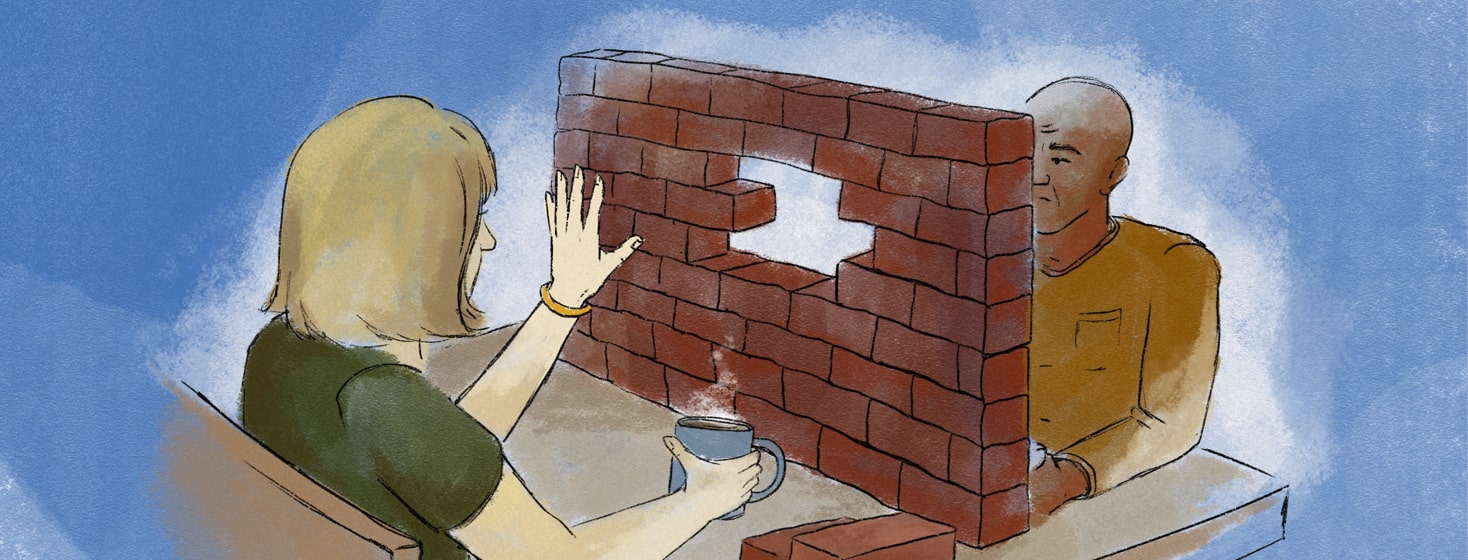
One of the hardest situations to navigate, whether you’re a parent, a friend, or a physician, is when someone is using a substance and is not ready to stop.
When Someone Isn't Ready to Stop
I’ve had this conversation more times than I can count. A friend or acquaintance reaches out, worried about someone they love.
They know I’ve practiced addiction medicine, and they’re hoping I can help, maybe even fix it. They’re desperate, researching options, pushing for treatment, trying to do something before it gets worse.
Then I talk to the person, and they’re not ready to stop.
That’s the part that’s hard for families to understand, and honestly, it can feel frustrating for me too. There’s this expectation that with the right words or the right expertise, something will just magically click. But if someone doesn’t want to stop, they’re not going to stop. Not yet.
Shifting the Goalpost: Safety, Connection, and Keeping the Door Open
So I shift the goalpost. If someone is not ready to stop, the goal is not abstinence in that moment.

The goal is safety, connection, and keeping the door open.
How You Show Up Matters
That starts with how you show up. I make it clear that I don’t judge them, that I understand. This is something I see all the time, and that they can talk to me without being shut down.
I hear their reasons. I validate their emotions. I also try to take away one of the biggest barriers I hear: “I don’t even know where to start.”
A lot of people feel like they’re too far gone, that it’s too late, that their situation is worse than anyone else’s. It’s not.
Sharing Stories That Plant a Seed
I make a point to share real stories, people I’ve taken care of who were in deeper, darker places than they are and still found a way out. Not exaggerated, not sugar-coated, just honest examples that show incredible change is possible.
Even if they’re not ready to act on it, that matters because it plants a seed. The goal isn’t to force change in that moment. It’s to leave them with something that challenges the belief that they’re beyond help.
Harm Reduction Is Protection, Not Approval
This is also where honesty and harm reduction come in. If someone is going to use, they need to know how to lower their risk, to never use alone, avoiding unknown sources, understanding potency, carrying naloxone, and knowing when to call for help.
That’s not approval of their use. That’s protection. In today’s drug supply, this matters more than ever. Substances are unpredictable, often mixed, and far more dangerous than they used to be.
What someone thinks they are using may not be what they are actually getting. Keeping someone safe today may be what allows them to be here tomorrow when they are ready for change.
Why Autonomy Matters
And through all of this, autonomy matters. People are far more likely to move toward change when they feel ownership over their decisions, when they feel respected - even if you don’t agree - and when they know they can come back without being judged.
That doesn’t mean there are no boundaries. You can be honest about your concerns, set limits, and say, “I care about you, and I’m here, but I’m also worried about what this is doing to you.” Both things can exist at the same time.
Change Takes Time: Stay in the Conversation
Change rarely happens in one conversation. It happens over time, through small moments where someone feels seen, heard, and not further shamed.
So if someone in your life is using and not ready to stop, the most important thing you can do is stay in the conversation, encourage their safety, keep them connected, and keep that door open.
Because when they are ready to accept help (and many people eventually are), you want to be the person they come back to. Hang in there, they are blessed to have you!
Join the conversation